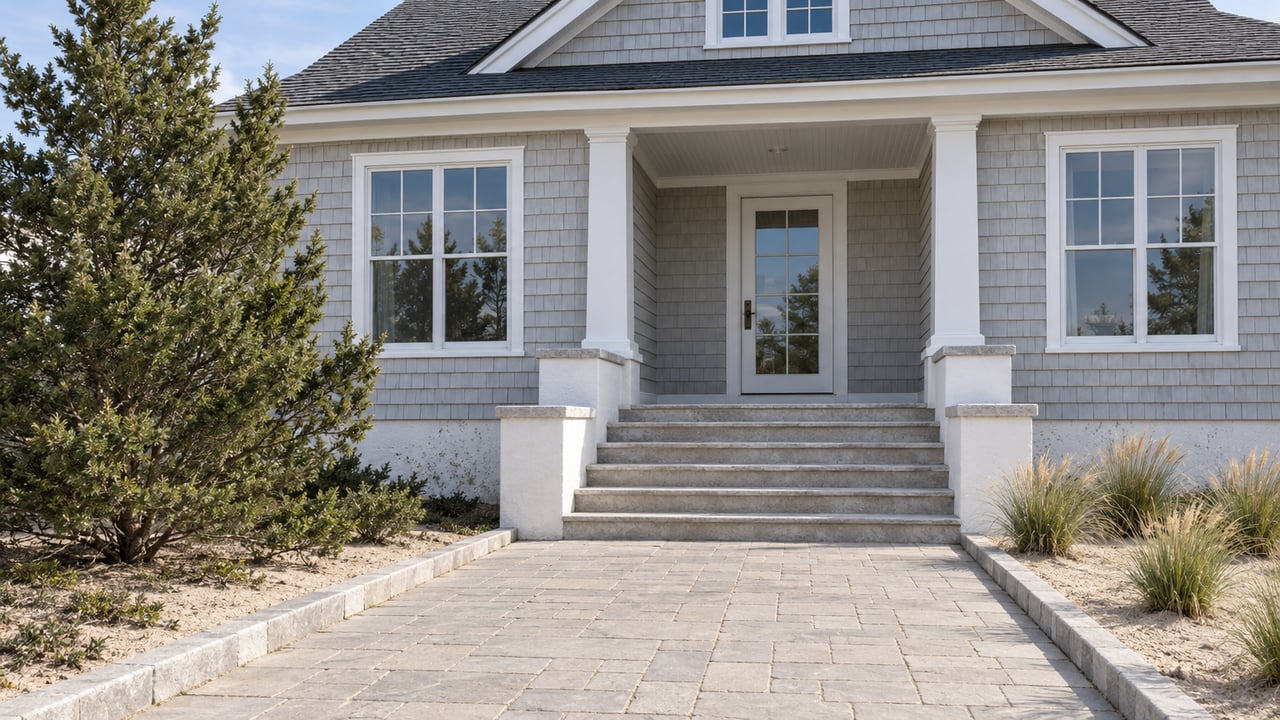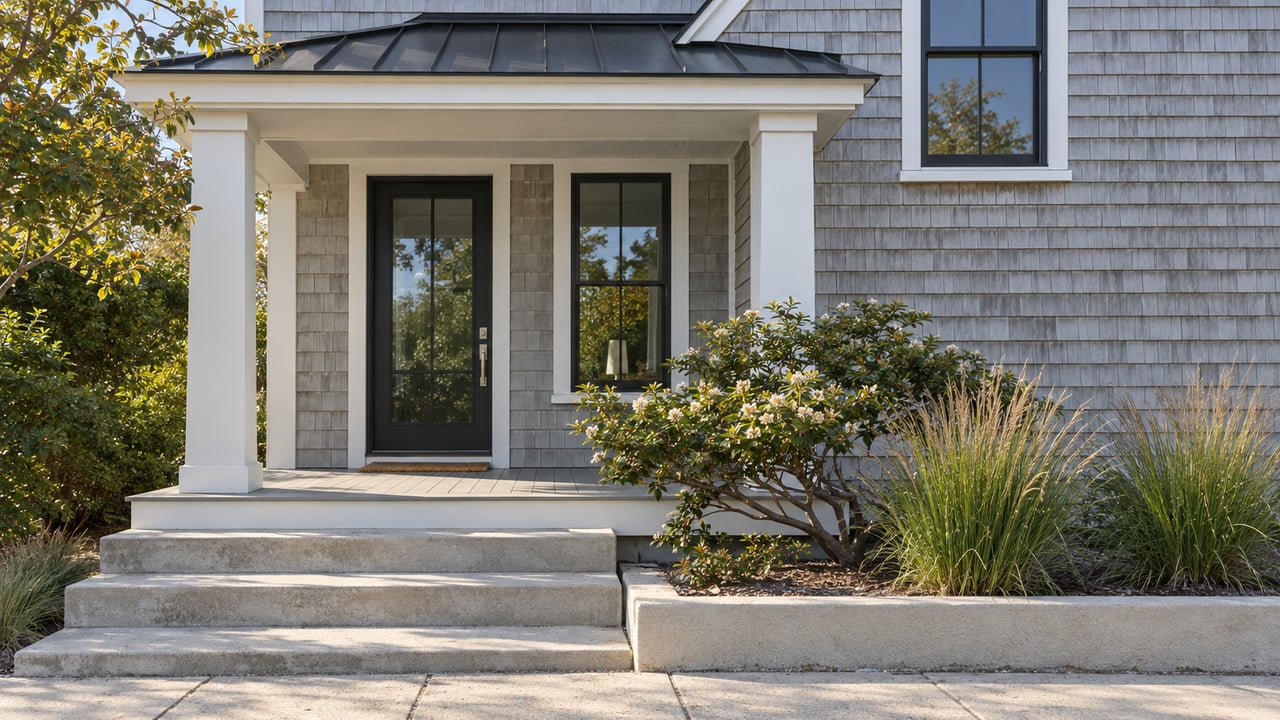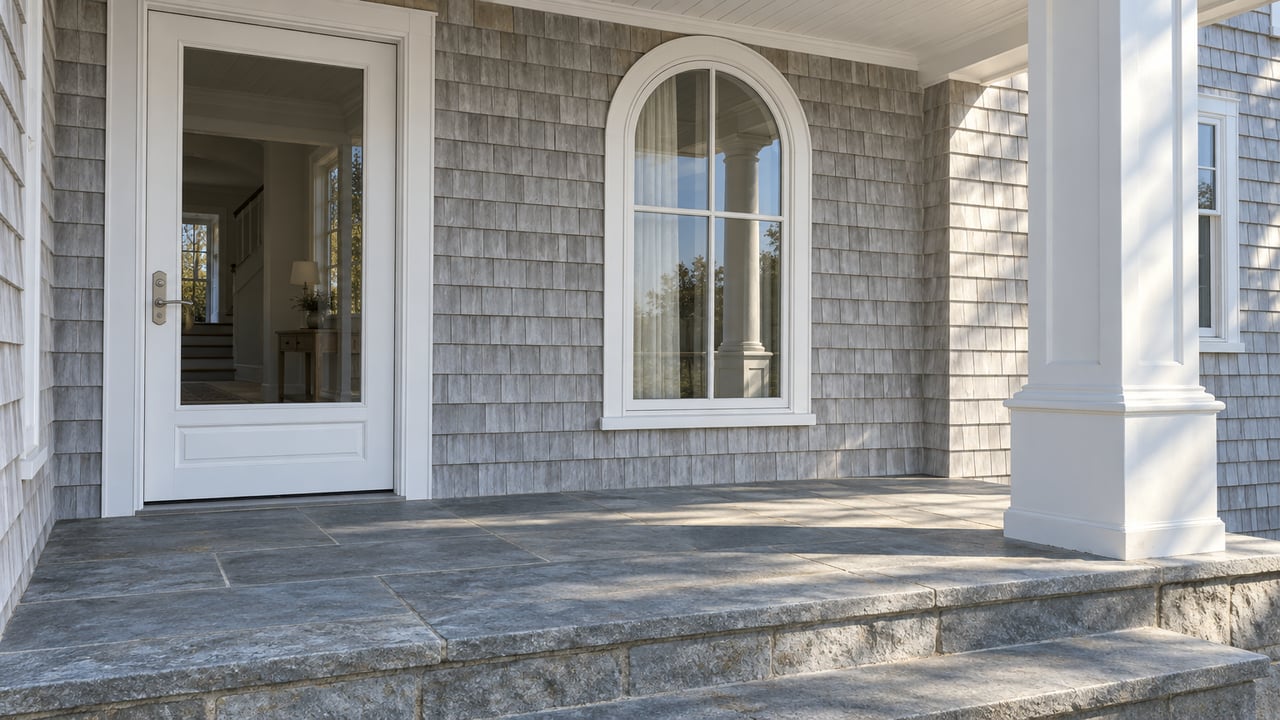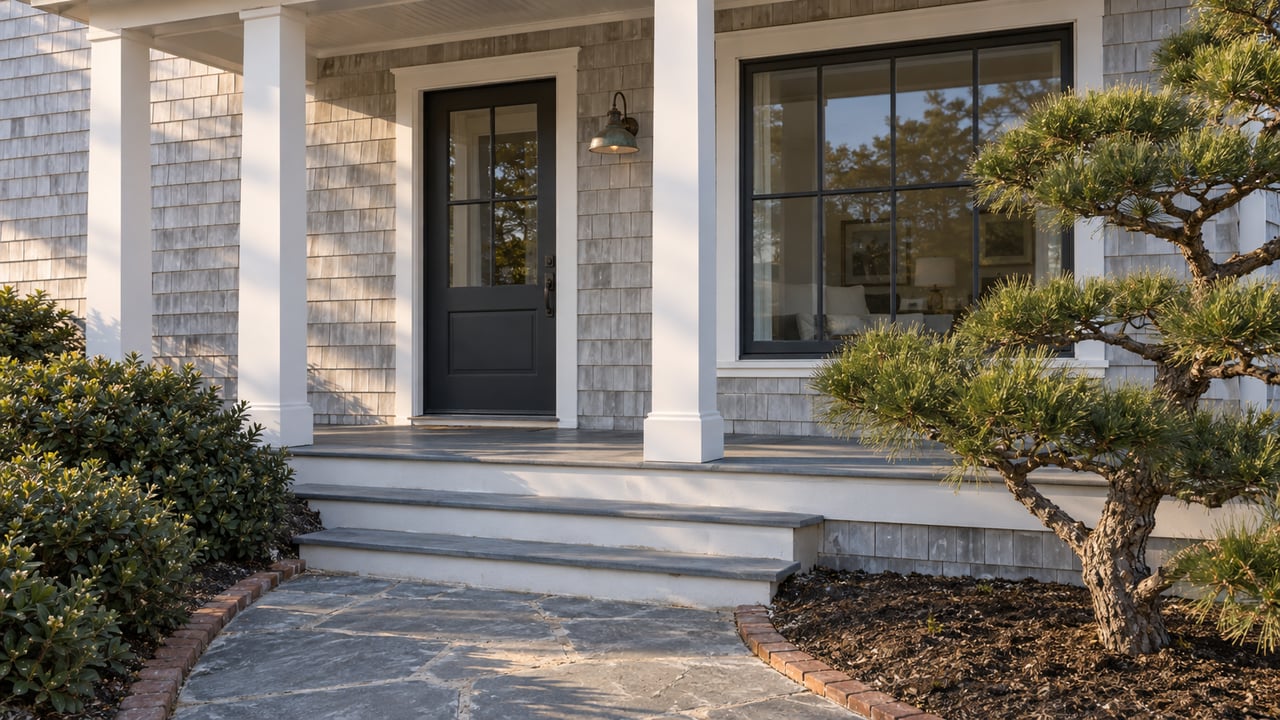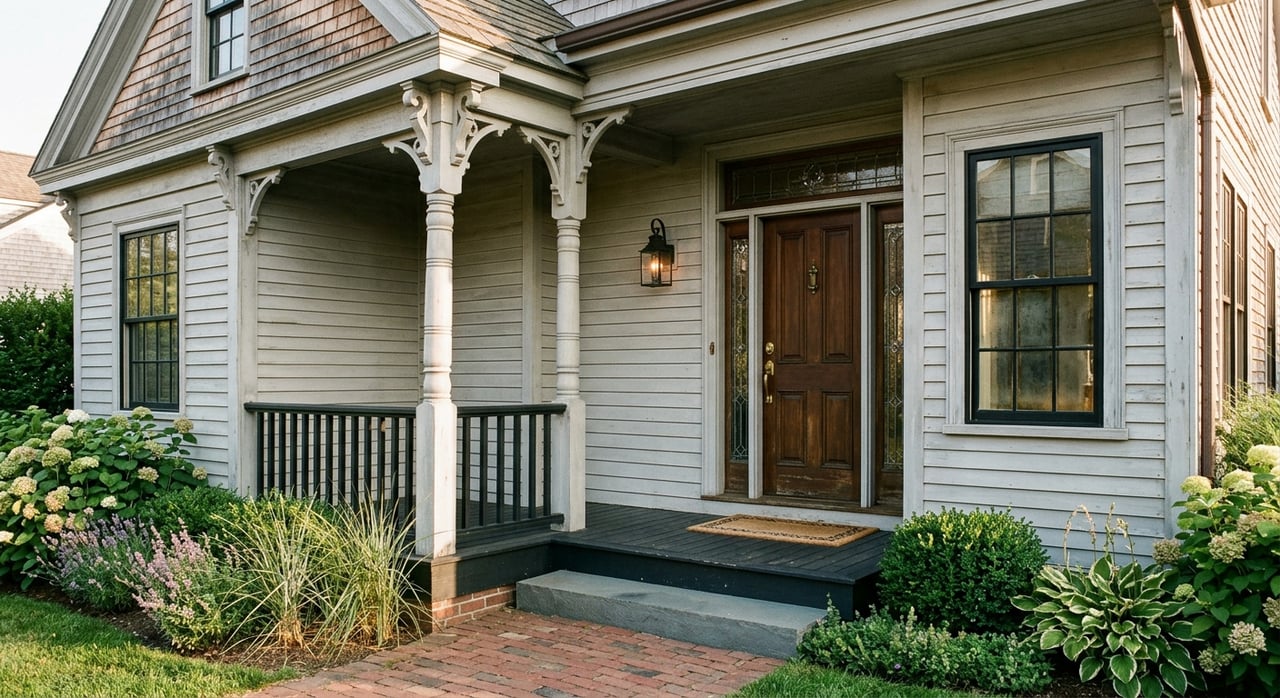
If you have ever fallen for a painted porch, ornate trim, or a tower rising above a tree-lined street, Cape May likely speaks your language. Living in a historic home here can feel deeply rewarding, but it also comes with real responsibilities that shape your daily routine, maintenance plan, and renovation choices. If you are considering a historic Cape May property, this guide will help you understand the charm, the upkeep, and the practical realities of ownership. Let’s dive in.
Why Cape May Historic Homes Stand Out
Cape May offers a historic setting that is unusually concentrated and visually distinct. The city identifies the Cape May Historic District as a National Historic Landmark and notes that Cape May is the nation’s oldest seashore resort. It also reports that the city has the second-largest collection of Victorian houses after San Francisco.
That history is not just background. It shapes the look and feel of everyday life, from gingerbread trim and wraparound porches to varied rooflines, towers, and decorative woodwork. The city’s architectural guidance highlights styles that include Queen Anne, Italianate, Gothic Revival, Carpenter Gothic, Shingle Style, Colonial Revival, Tudor Revival, and Bungalow Style.
Part of Cape May’s character comes from rebuilding after the 1878 fire that destroyed 35 acres. The city says much of what followed was rebuilt in Queen Anne, Gothic, and American bracketed styles. That is one reason homes here often feel individual rather than uniform.
Daily Life in a Historic Cape May Home
Walkability shapes your routine
Cape May is compact, and that changes how you live. The city describes it as a two-square-mile community with a walkable core, and it notes that downtown is easy to navigate because of its grid layout. If you live in or near the historic district, many daily errands and outings may happen on foot or by bike.
That convenience matters even more in summer. The city’s planning documents note that parking downtown and on many beachfront blocks can be difficult during peak season. In practice, living here often means planning around visitor traffic and embracing a more walkable lifestyle.
Beach access becomes part of daily life
In Cape May, the shoreline is not just a backdrop. The city maintains more than two miles of bathing beaches and provides daily lifeguard service from May through September, along with daily beach cleaning from early May through the end of September. For many homeowners, that means beach walks, bike rides, and ocean time become part of the weekly rhythm.
Accessibility and beach amenities also play a role in the overall experience. If you are buying a historic home near the water, your lifestyle may feel closely tied to the seasons, tides, and weather in a way that differs from other shore towns.
The town stays active beyond summer
Cape May is seasonal, but it is not only a summer destination. The city says its season has expanded into fall, spring, and the holiday period through cultural, historical, music, arts, nature, and water-related activities. It also highlights birdwatching as a major draw, with more than 400 recorded bird species.
That broader calendar can be a real advantage if you want a second home or primary home with more year-round energy. Even so, summer congestion still influences daily routines, especially for driving, parking, and hosting guests.
The Charm You Feel Every Day
Historic homes in Cape May often offer details that are difficult to replicate in newer construction. Original millwork, tall windows, front porches, decorative brackets, and layered facades can give a home a sense of warmth and personality from the moment you arrive.
There is also an emotional value to living in a property that reflects the city’s architectural legacy. In a place known for Victorian design and preserved streetscapes, your home can feel like part of a larger story. For many buyers, that connection is a major part of the appeal.
At the same time, charm usually comes with tradeoffs. Floor plans may be less open, storage can be tighter, and systems may need updating. A smart purchase decision balances what is visually special with what is practical for how you actually live.
Historic Home Maintenance in Cape May
Moisture is the issue to watch
In older coastal homes, moisture is often the biggest long-term concern. National Park Service preservation guidance says uncontrolled moisture is the most common cause of deterioration in historic buildings. It points to drainage, ventilation, and ongoing preservation maintenance as key ways to control damage.
That advice is especially relevant in Cape May. The city provides flood map information tied to historic flooding, sea-level rise, and projected flood hazard areas, so buyers should treat water exposure as a core ownership consideration rather than a side issue.
Woodwork and paint need steady care
Historic Cape May homes often feature extensive exterior wood trim, siding, brackets, railings, and porch details. According to National Park Service guidance, exterior paint failures are often tied to moisture problems rather than paint alone. It also warns that aggressive paint removal methods can permanently damage historic wood surfaces.
For homeowners, the lesson is simple. Routine attention to gutters, flashing, siding, and trim can help prevent bigger repair issues later. In many cases, patient maintenance is the best way to protect both appearance and structure.
Windows deserve thoughtful decisions
Windows are one of the most common questions in historic homes. Preservation guidance says historic windows are often important architectural features and should be retained and repaired when possible. It also notes that storm windows and air sealing around windows and doors can improve comfort and thermal performance.
That means you do not always need to default to full replacement to make an older home feel more efficient. In many cases, the better path is a measured upgrade plan that respects the home’s original character while improving day-to-day comfort.
HVAC upgrades require planning
Air conditioning, humidity control, and better overall comfort are high priorities for many buyers. National Park Service guidance notes that poorly installed mechanical systems can damage historic materials, introduce moisture, and change interior or exterior features.
In a Cape May historic home, HVAC work should be planned carefully from the start. If your goal is to preserve original trim, porch lines, ceilings, or room proportions, the design and installation process matters just as much as the equipment itself.
Flood Risk and Insurance Matter
Flood and storm exposure are part of the ownership picture in Cape May. The city states that most of Cape May is in Special Flood Hazard Area Zone A and is subject to serious flooding during hurricanes or nor’easters. It also provides information on base flood elevations, V zones, sea-level rise, and projected 2050 flood hazard areas.
Insurance is another practical factor. The city notes that most homeowners insurance policies do not cover flooding, that flood insurance is separate, and that there is typically a 30-day waiting period before coverage takes effect. If you are comparing properties, this should be part of your budgeting early, not after closing.
What Buyers Should Know About Preservation Rules
Exterior changes often need review
If you are thinking about buying a historic home in Cape May, renovation rules should be part of your due diligence. The city says the Historic Preservation Commission reviews exterior work, new construction, demolition, and changes to important landscape features within the historic district.
Some projects can receive an Approval in Review, which remains active for two years. Other projects, including demolitions, relocations, additions, new houses, and solar panels, require a full commission hearing. The city states that these decisions are binding and enforceable.
Interior work is treated differently
Not every improvement falls under the same level of review. The Historic Preservation Commission FAQ says the commission has no authority over interior renovations. It also states that the commission does not rule on exterior color combinations.
That distinction can be helpful if you want to modernize kitchens, baths, or interior layouts for more livable daily use. Still, any broader construction plan should be checked carefully with the city before you finalize your budget.
Smart Due Diligence Before You Buy
A historic Cape May purchase deserves a more detailed pre-closing process than a typical home search. The city’s flood-protection information says new construction and renovation projects require local permits by law, and local offices provide guidance on flood hazards, elevations, and special regulations.
A strong buyer approach usually includes:
- A qualified home inspector with experience in older properties
- A contractor familiar with older coastal homes
- Early conversations with the city’s construction and floodplain offices
- A realistic review of maintenance costs, insurance, and future project plans
This is where experienced local guidance can make a real difference. If you are buying for lifestyle, investment, or a long-term family retreat, you want clear insight into both the home’s beauty and its obligations.
Is a Historic Cape May Home Right for You?
For the right buyer, the answer is absolutely yes. A historic home in Cape May can offer character, walkability, beach proximity, and a strong sense of place that is hard to match elsewhere on the Jersey Shore.
But it is best approached with open eyes. You are not just buying square footage. You are taking on a home with architectural identity, maintenance needs, local review requirements, and coastal conditions that should all be understood from the start.
If you want help evaluating a historic Cape May property, planning around renovation potential, or understanding how a home fits your long-term goals, Dorothy Phillips offers the kind of hands-on, strategic guidance that can make the process far more confident and clear.
FAQs
What is special about living in a historic Cape May home?
- Living in a historic Cape May home means owning a property in a nationally recognized historic district known for its concentration of Victorian architecture, varied styles, and walkable coastal setting.
What maintenance issues matter most in a Cape May historic home?
- The most important maintenance concern is moisture control, including drainage, ventilation, exterior wood upkeep, and early attention to paint, trim, flashing, and gutters.
Do historic Cape May homes require flood insurance?
- Cape May says most homeowners insurance policies do not cover flooding, flood insurance is separate, and there is generally a 30-day waiting period before coverage begins.
Can you renovate the inside of a historic home in Cape May?
- Yes. The city says the Historic Preservation Commission does not have authority over interior renovations.
Do exterior changes to a Cape May historic home need approval?
- Yes, many exterior changes are reviewed by the Historic Preservation Commission, and larger projects such as additions, new houses, demolitions, relocations, and solar panels require a full commission hearing.
Is daily life in Cape May practical year-round?
- Yes, Cape May remains active beyond summer with arts, history, nature, and seasonal events, although summer traffic and parking can still affect daily routines.