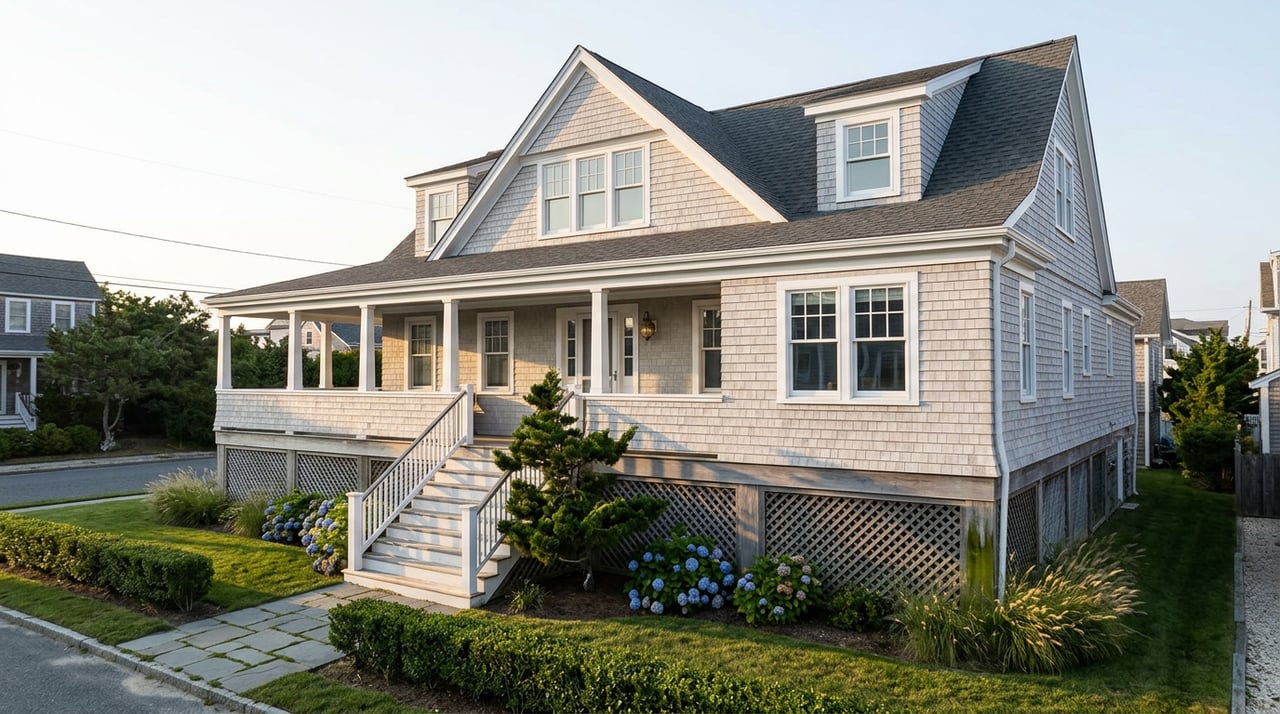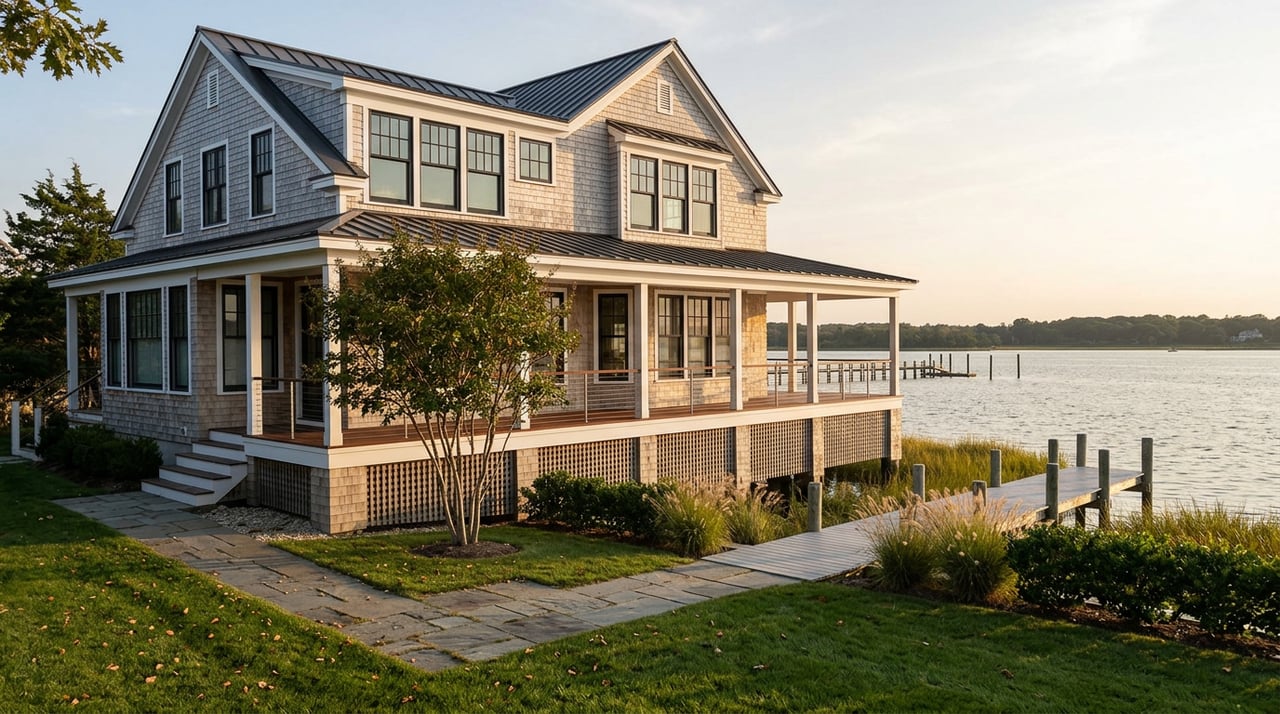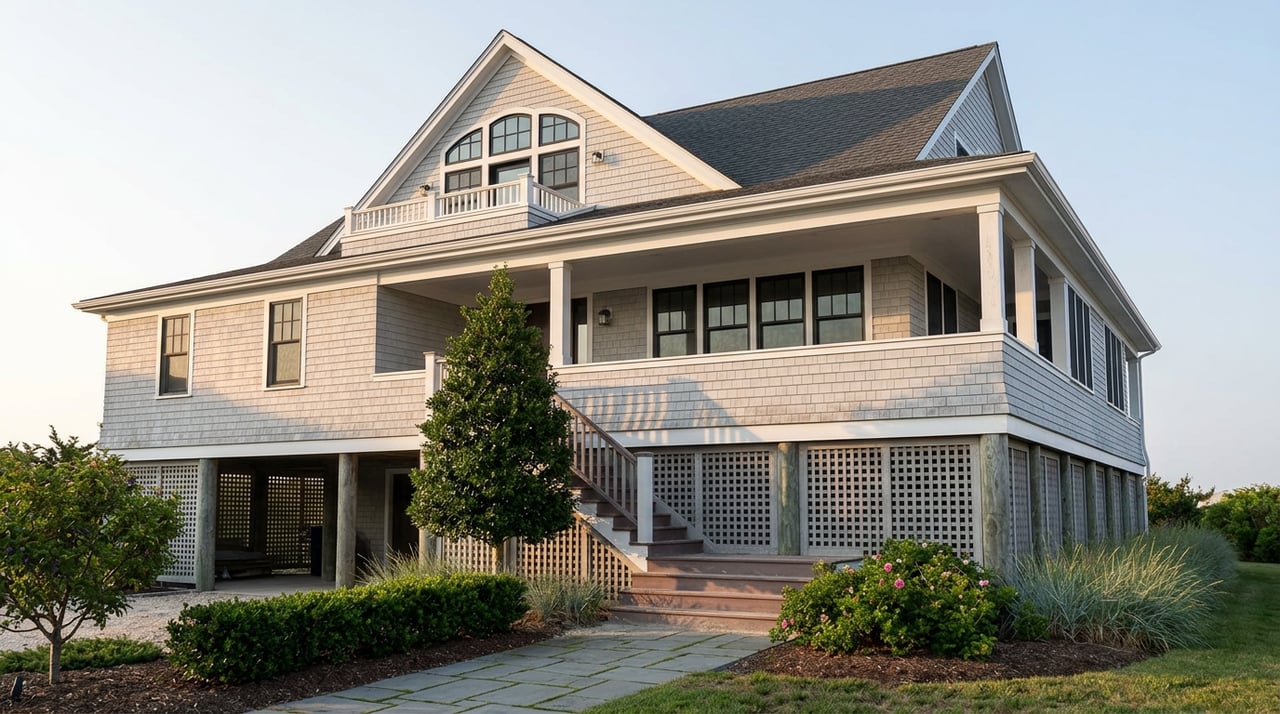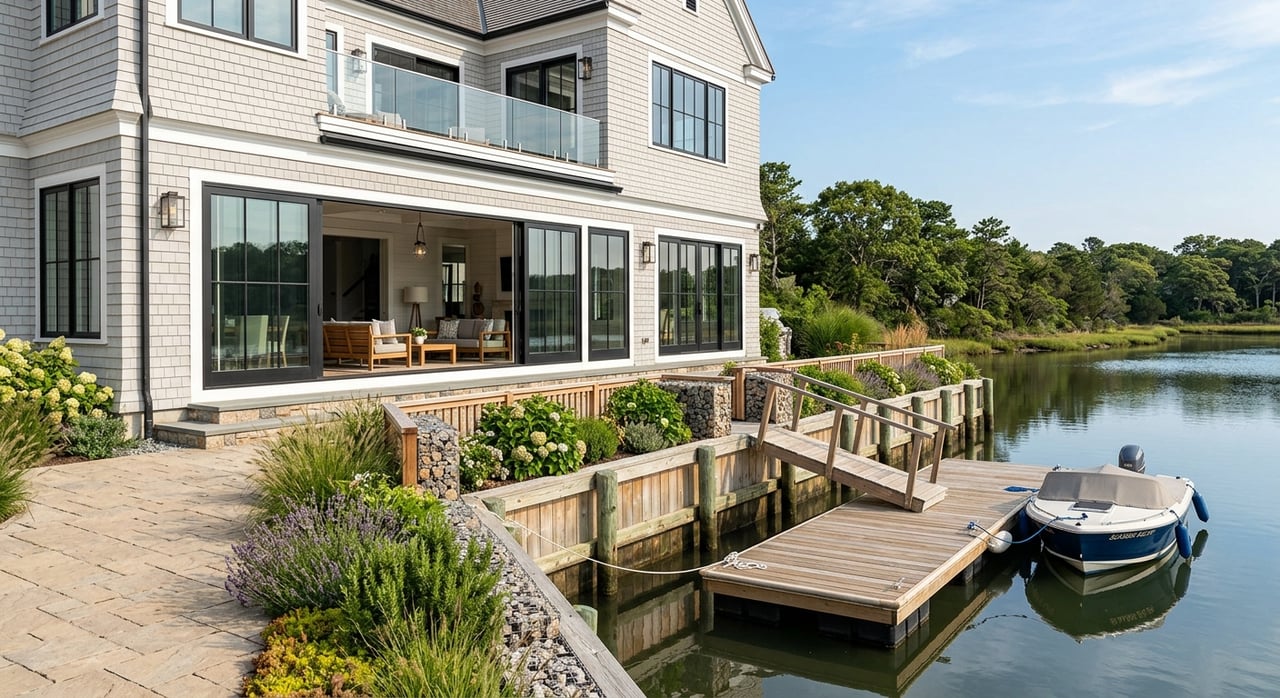
Buying bayfront property in Stone Harbor can feel like finding the best of the Jersey Shore in one address. You get water views, boating access, and a lifestyle many buyers have worked toward for years. But in Stone Harbor, a bayfront home also comes with coastal rules, flood considerations, and shoreline details that deserve close review before you make an offer. If you are considering a purchase here, knowing what to check early can help you protect both your enjoyment and your investment. Let’s dive in.
Why bayfront buying is different
A bayfront home in Stone Harbor is more than a house on the water. It is also a coastal property shaped by flood rules, shoreline infrastructure, and title questions that can affect how you use the property and what it may cost to own over time.
The borough states that the entire borough is in a Special Flood Hazard Area. It also says bayfront areas and properties east of Third Avenue are in V Zones, which are the highest coastal flood-risk areas. That means flood zone, elevation, and compliance are not minor details. They are central parts of the purchase.
Stone Harbor’s Construction Office reviews construction, zoning, planning board, and site plan applications. The borough specifically checks for compliance with local ordinances, New Jersey construction codes, CAFRA, and DEP permitting rules. For you as a buyer, that means past work and future plans both need careful review.
Start with flood and elevation
Before you fall in love with a view or dock, start with the flood file. In Stone Harbor, that is often the fastest way to understand risk, future costs, and whether a home is likely to need upgrades.
The borough says standard homeowners insurance generally does not cover flood damage. It also says flood insurance is available through the NFIP and that there is typically a 30-day waiting period before coverage becomes effective. If you are financing the home or closing on a tight timeline, that timing matters.
The borough also keeps FEMA-related flood information and elevation certificates for many buildings constructed in the Special Flood Hazard Area since 1983. If an elevation certificate is available, it can help you verify how the current structure sits relative to local requirements.
Key flood questions to ask
When you review a bayfront property, ask for clear answers to these points:
- What flood zone is the property in?
- What is the base flood elevation or local design flood elevation?
- Is there a recent elevation certificate, and does it match the home as it exists today?
- Has the property had repetitive flooding, substantial damage, or major repairs?
- Where are the mechanicals, utilities, and electrical systems located?
- Has any grading, fill, enclosure, or addition been properly permitted?
These are not just technical questions. They can affect insurance pricing, lender requirements, renovation planning, and resale.
Understand Stone Harbor’s improvement rules
If you are buying a bayfront property with renovation plans, local flood rules deserve extra attention. In Stone Harbor, the threshold for improvements can be very important.
The borough says any reconstruction, rehabilitation, or cumulative improvement that exceeds 40% of the building’s market value over a 10-year period is treated as a substantial improvement. When that happens, the property may need to meet the same flood-protection standards as new construction.
The current flood-damage-prevention code also requires habitable buildings in flood hazard areas to meet local design flood elevation and V-zone standards. In simple terms, occupied space and important building systems may need to be elevated and documented to comply.
That is especially important if you are considering a value-add purchase. A charming older bayfront home may have upside, but the path to renovation can look very different once elevation and flood compliance enter the budget.
Docks and bulkheads need real due diligence
For many buyers, the waterfront itself is a big part of the reason to buy. That is why you should treat the dock, bulkhead, ramp, float, and related structures as seriously as the house.
Stone Harbor requires a permit before a dock, wharf, piling, or float is constructed, reconstructed, enlarged, moved, or otherwise changed. Applications must include detailed plans and a survey showing the property, existing and proposed structures, and nearby docks or floats. Nearby owners must also receive notice.
If a dock is being replaced, the applicant must provide a dock-disposal certification showing lawful disposal through the Cape May County Municipal Utilities Authority. That level of documentation tells you how important records are for shoreline work.
Bulkhead condition matters
Bulkheads are not just cosmetic improvements. They are core shoreline infrastructure, and their condition can affect safety, maintenance costs, and future projects.
Stone Harbor’s flood brochure says bulkheads must be maintained. It also states that any new or reconstructed bulkhead must have a minimum top elevation of 8 feet NAVD 1988.
If you are evaluating a property, ask when the bulkhead was last repaired or replaced, whether permits were issued, and whether the structure meets current local standards. A beautiful lot can become a costly project if the shoreline improvements are near the end of their useful life.
Riparian rights and tidelands can affect title
One of the most overlooked parts of buying bayfront property is what you are actually buying at the water’s edge. In New Jersey, that can be more complicated than many buyers expect.
NJDEP explains that tidelands, also called riparian lands, are lands currently or formerly flowed by the mean high tide. The state owns those lands unless it has already sold its interest through a riparian grant.
That matters because a tidelands claim can exist even if land has been filled or if the waterway is now a lagoon, though some exceptions may apply in artificial-waterway situations. NJDEP also says a riparian grant may be used to clear a tidelands claim, but it is not mandatory, the state is not obligated to issue one, and the process can take about a year.
For you, that means title review should go beyond a standard surface read. If the value of the property depends on docking, access, or waterfront use, this is an area where a knowledgeable attorney and surveyor can make a major difference.
Ask about future plans before closing
Many bayfront buyers are not just purchasing for today. You may already be thinking about lifting the house, adding outdoor living space, rebuilding a dock, or planning a larger renovation.
In Stone Harbor, future plans should be discussed early with the borough Construction Office and, if needed, NJDEP. Shoreline changes and coastal work can involve local, county, and state approvals, even when a municipal permit is issued.
This matters because a property that works well as-is may not support the improvements you have in mind without additional time, cost, and approvals. If your purchase decision depends on making changes, confirm the approval path before you commit.
Climate and long-term ownership matter
Bayfront ownership always involves a long view. NJDEP’s climate-impact summary says sea level rise along New Jersey’s coast is projected to continue, with statewide projections of 1.0 to 1.8 feet by 2050 and 1.7 to 4.5 feet by 2100 depending on emissions scenario.
The same state summary says higher sea levels increase storm flooding and erosion risk in coastal and bay areas. For you as a buyer, this does not mean every property should be avoided. It means resilience, compliance, and capital planning should be part of your buying decision from the start.
In practice, properties with documented elevation, permitted shoreline improvements, and more predictable near-term capital needs may be easier to own and easier to position for resale.
What the market suggests for buyers
Stone Harbor remains a high-value, niche market. NJ REALTORS’ Stone Harbor Boro single-family update through December 2025 reported a median sales price of $4.175 million year-to-date, 107 days on market, 5.2 months of inventory, and 94.9% of list price received.
A separate March 2026 market snapshot from Realtor.com showed a median listing price of $4.797 million, 56 median days on market, and a 96% sale-to-list ratio, and classified Stone Harbor as a buyer’s market. The numbers are not directly comparable, but both reports point to a multimillion-dollar market where negotiation room may exist and buyers have reason to be disciplined.
That is especially true on bayfront purchases. In a luxury segment with a smaller sample size, the properties that tend to hold appeal over time are often the ones with cleaner documentation, fewer unresolved shoreline issues, and clearer future maintenance expectations.
Your pre-offer checklist
If you are serious about a Stone Harbor bayfront home, use a process that protects you before emotions take over. A careful review upfront can save time, money, and stress later.
Here is a practical checklist to work through before you move forward:
- Confirm the flood zone, base flood elevation, and local design flood elevation.
- Request the elevation certificate and compare it to the existing structure.
- Ask about prior flood claims, repetitive flooding, and substantial damage history.
- Verify the location of utilities, mechanical systems, and electrical equipment.
- Review permits for docks, bulkheads, ramps, floats, fill, additions, and enclosures.
- Search title for tidelands claims, easements, and riparian issues.
- Get written flood and wind insurance quotes before closing.
- Ask about the age, condition, and compliance status of the bulkhead.
- Check whether your future renovation or redevelopment plans are likely to require borough or NJDEP review.
Build the right advisory team
Bayfront purchases reward preparation. Even very experienced buyers benefit from having the right specialists involved before they finalize a deal.
Depending on the property, useful pre-closing professionals may include:
- A waterfront or title attorney familiar with tidelands and riparian matters
- A licensed surveyor
- A floodplain, civil, or structural engineer, or a waterfront architect
- A marine contractor or bulkhead specialist
- An insurance broker who can quote flood and wind coverage before contract
This kind of team approach is especially helpful if you are buying remotely, evaluating a renovation, or comparing multiple waterfront options with different risk profiles.
A great bayfront purchase is about more than the view. It is about understanding the full picture so you can buy with confidence, plan wisely, and enjoy the property the way you intend. If you want a local advisor who understands Stone Harbor’s luxury coastal market and can help you evaluate both lifestyle fit and due diligence, connect with Dorothy Phillips.
FAQs
What should you check first when buying bayfront property in Stone Harbor?
- Start with the flood zone, elevation certificate, insurance costs, and any history of flooding or major repairs.
What do Stone Harbor buyers need to know about docks and bulkheads?
- Docks, floats, pilings, and similar waterfront structures require permits for many types of work, and bulkheads must be maintained and meet current local standards if newly built or reconstructed.
What are riparian rights and tidelands issues for Stone Harbor bayfront homes?
- In New Jersey, land at or below the mean high tide line may involve state tidelands ownership or claims, so title review is important for waterfront access and use.
What is the 40% rule for Stone Harbor flood compliance?
- The borough says cumulative improvements exceeding 40% of a building’s market value over 10 years may be treated as a substantial improvement, which can trigger higher flood-compliance standards.
Why should you get insurance quotes before buying a Stone Harbor bayfront home?
- Flood and wind coverage can materially affect your ownership costs, and flood insurance through the NFIP typically has a 30-day waiting period before it becomes effective.
How can future renovation plans affect a Stone Harbor bayfront purchase?
- Additions, shoreline work, grading, fill, and other changes may require local review and may also involve state coastal permitting, so it is smart to verify feasibility before closing.