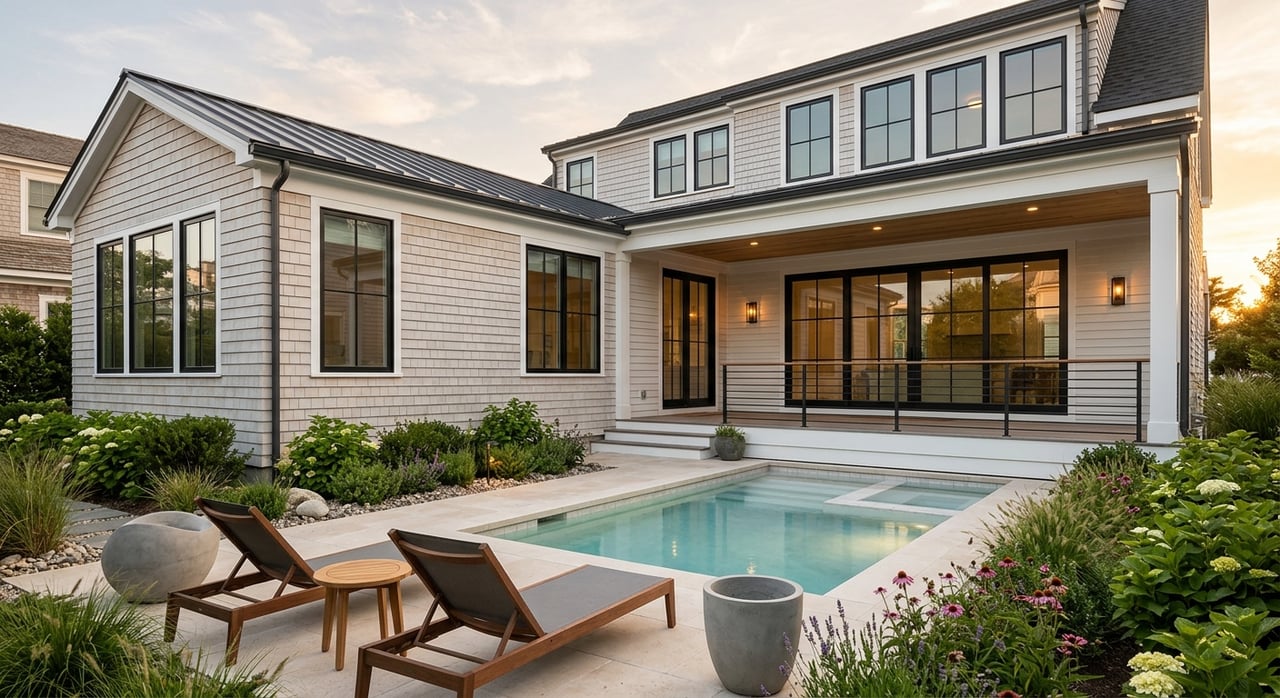
If you are comparing luxury towns at the Jersey Shore, Avalon usually ends up on the shortlist fast. But the real question is not whether Avalon is desirable. It is how it differs from other premium coastal markets like Stone Harbor, Ocean City, Sea Isle City, and Cape May. If you want to understand where Avalon fits on price, housing, and lifestyle, this guide will help you narrow the field with more confidence. Let’s dive in.
Avalon’s Market Position
Avalon sits firmly in the premium tier of the Jersey Shore, but it is not the highest-priced town in this comparison. According to Avalon market data, the median listing price is $2,995,000, with 73 active listings, a median 65 days on market, and a 96% sale-to-list ratio.
That places Avalon above several nearby shore towns on price. The same comparison set shows Ocean City at $1,349,000, Sea Isle City at $1,599,999, and Cape May at $1,849,999. Stone Harbor ranks above Avalon, with a median listing price of $4,699,000 and 40 active listings.
In simple terms, Avalon gives you a luxury market entry point that is clearly high-end without reaching the top pricing seen in Stone Harbor. For many buyers, that makes Avalon appealing because it offers a premium address with a bit more flexibility than the most expensive segment of the shoreline.
Avalon vs Nearby Towns on Price
Here is a quick snapshot of how these towns compare based on the research provided:
| Town | Median Listing Price | Active Listings | Median Days on Market |
|---|---|---|---|
| Avalon | $2,995,000 | 73 | 65 |
| Stone Harbor | $4,699,000 | 40 | 49 |
| Ocean City | $1,349,000 | 348 | 45 |
| Sea Isle City | $1,599,999 | 69 | 63 |
| Cape May | $1,849,999 | 93 | 63 |
This table highlights Avalon’s niche well. It is more expensive than Ocean City, Sea Isle City, and Cape May, but below Stone Harbor’s top-tier pricing.
Avalon Has Range Within the Town
One of the most useful things to know about Avalon is that it is not a one-price market. Avalon neighborhood pricing shows meaningful variation depending on where you focus your search.
North Avalon has a median listing price of $3,445,000. Avalon Center comes in at $2,847,000, while South Avalon is lower at $1,945,000. That matters because buyers often think of Avalon as one uniform luxury market, when in reality, there are different entry points and lifestyle options within the borough itself.
For a buyer, that means your budget may go further depending on location, property type, and your priorities around beach access or town proximity. For an investor or development-minded buyer, it also means Avalon can offer more than one path to value.
Avalon’s Housing Stock Feels More Detached
Housing style is one of the biggest differences between Avalon and other luxury shore towns. According to Avalon’s master plan re-examination amendment, the housing inventory includes 4,240 single-family units, 604 duplex units, and 566 triplex-or-greater units.
That tells you Avalon is still largely a detached-home market. If you are looking for the classic upscale shore-house experience, that housing mix is a big part of Avalon’s appeal.
The same planning document also notes that only 12.7% of Avalon’s housing units were occupied, while 87.3% were vacant, with most vacancies classified as seasonal, recreational, or occasional use. In practical terms, Avalon is structurally a second-home and resort market, not a year-round suburban market.
How Avalon Compares on Housing Type
Stone Harbor is probably Avalon’s closest peer in housing form. Stone Harbor housing materials report that 70.6% of units are one-unit detached, which supports its reputation as a high-end detached-home market.
Sea Isle City looks very different. Its housing plan shows just 13.9% of units as one-unit detached, with a much larger share of attached and multi-unit housing. That creates a more compact, more attached-unit feel than Avalon.
Cape May also has a different housing mix. The city’s housing element and fair share plan says single-family detached homes represent 42.4% of occupied units and attached single-family homes represent 22.8%. Its housing stock is more varied, with a stronger historic and mixed-use presence.
Ocean City is broader still. Based on Ocean City market data, the market has 348 active listings and neighborhood medians ranging from under $1 million in Central Ocean City to $3.6 million in the Gardens. That breadth points to more varied housing options and price bands than Avalon’s more narrowly defined market.
Avalon’s Lifestyle Hits a Middle Ground
Price and housing matter, but lifestyle is often what makes the final decision. Avalon stands out because it sits between two very different Jersey Shore experiences.
On one side, you have Stone Harbor, which tends to feel quieter and more understated. On the other, you have Ocean City, which is more active, more commercial, and more centered around large-scale boardwalk activity.
Avalon falls in the middle. The borough’s official events and activities page highlights beach concerts, community events, the boardwalk, and a dune system that serves as a protective coastal buffer. The feel is beach-centered and easy to enjoy, without the same amusement-driven intensity you see in a larger boardwalk town.
Stone Harbor Feels More Quietly Exclusive
Stone Harbor’s official beach and recreation information emphasizes lifeguarded beaches, seasonal beach rules, recreation facilities, and nature-focused coastal management. That gives the town a smaller-scale, more carefully managed atmosphere.
If your priority is a highly exclusive feel with a detached-home profile and top-end pricing, Stone Harbor may pull you in that direction. If you want luxury with a little more room in the market and a slightly broader sense of activity, Avalon often feels like the more balanced choice.
Ocean City Brings More Boardwalk Energy
Ocean City is the most activity-heavy town in this group. The official Ocean City boardwalk page describes a 2.5-mile boardwalk with shopping, dining, amusements, bike rides, and seasonal transportation options.
That creates a much different rhythm from Avalon. Ocean City offers more commercial variety and a larger housing market, but it also feels busier and more layered with visitor activity. Buyers who want a premium shore lifestyle without that level of entertainment density often prefer Avalon.
Sea Isle City Feels More Compact
Sea Isle City’s tourism office and housing materials describe a 1.5-mile beachfront promenade with dining, shops, events, and a dense barrier-island layout. Combined with its more attached-unit housing stock, that gives Sea Isle a more compact and rental-oriented character.
If you want a town with a tighter footprint and a stronger attached-housing profile, Sea Isle City may fit. If you are looking for a more detached-home-driven luxury environment, Avalon offers a different experience.
Cape May Has a Historic Identity
Cape May has a distinct place in the market because of its architecture and preservation identity. The city describes itself as the Nation’s Oldest Seashore Resort, and its historic district includes more than 600 Victorian-era structures.
Its shopping district and beachfront areas create a lifestyle that feels more historic and mixed-use than Avalon. For some buyers, that charm is the draw. For others, Avalon’s more straightforward beach-house setting feels simpler and more aligned with a traditional luxury shore-home search.
Why Buyers Often Choose Avalon
Avalon’s advantage is not that it tries to be everything. Its advantage is clarity. It offers a top-tier coastal address, a mostly single-family housing base, strong beach access, and a resort-town identity that feels active but not overwhelming.
That balance matters when you are narrowing a shortlist. Avalon gives you a premium market without the same price level as Stone Harbor, a more residential feel than Ocean City, a more detached-home profile than Sea Isle City, and a less preservation-heavy identity than Cape May.
There is also a practical side to the current market. Realtor.com identifies Avalon as a buyer’s market, with 73 listings, a median 65 days on market, and a 96% sale-to-list ratio. For buyers, that may mean opportunity to negotiate within a premium segment, especially compared with tighter luxury pockets.
How to Decide if Avalon Fits You
If you are deciding between Jersey Shore luxury towns, start with a few simple questions:
- Do you want a mostly single-family home environment?
- Do you prefer a premium beach town that feels residential, but not isolated?
- Are you looking for luxury pricing below Stone Harbor’s top tier?
- Do you want less commercial intensity than Ocean City?
- Would you rather focus on classic shore-home living than a more historic or mixed-use setting?
If you answered yes to most of those, Avalon may be the right fit for your search. And if you are comparing multiple towns at once, local guidance matters because the differences are not just about price. They also show up in inventory, housing style, pace, and how each town feels day to day.
If you want help comparing Avalon with other Jersey Shore luxury markets, Dorothy Phillips offers strategic guidance for buyers, sellers, and investors who want clear advice, strong negotiation, and a polished, hands-on process.
FAQs
How does Avalon compare to Stone Harbor on price?
- Avalon is less expensive than Stone Harbor based on current market snapshots, with a median listing price of $2,995,000 versus Stone Harbor’s $4,699,000.
How does Avalon compare to Ocean City on lifestyle?
- Avalon generally offers a more residential and less activity-heavy experience than Ocean City, which is more centered on boardwalk attractions, shopping, dining, and amusements.
How does Avalon compare to Sea Isle City on housing?
- Avalon has a much stronger single-family housing profile, while Sea Isle City has a larger share of attached and multi-unit housing.
How does Avalon compare to Cape May on character?
- Avalon is more focused on the classic beach-house lifestyle, while Cape May is more historic, architecture-driven, and mixed-use in feel.
Is Avalon a good choice for second-home buyers?
- Avalon is strongly positioned as a seasonal and second-home market, with borough planning documents showing a large share of homes used for seasonal, recreational, or occasional occupancy.