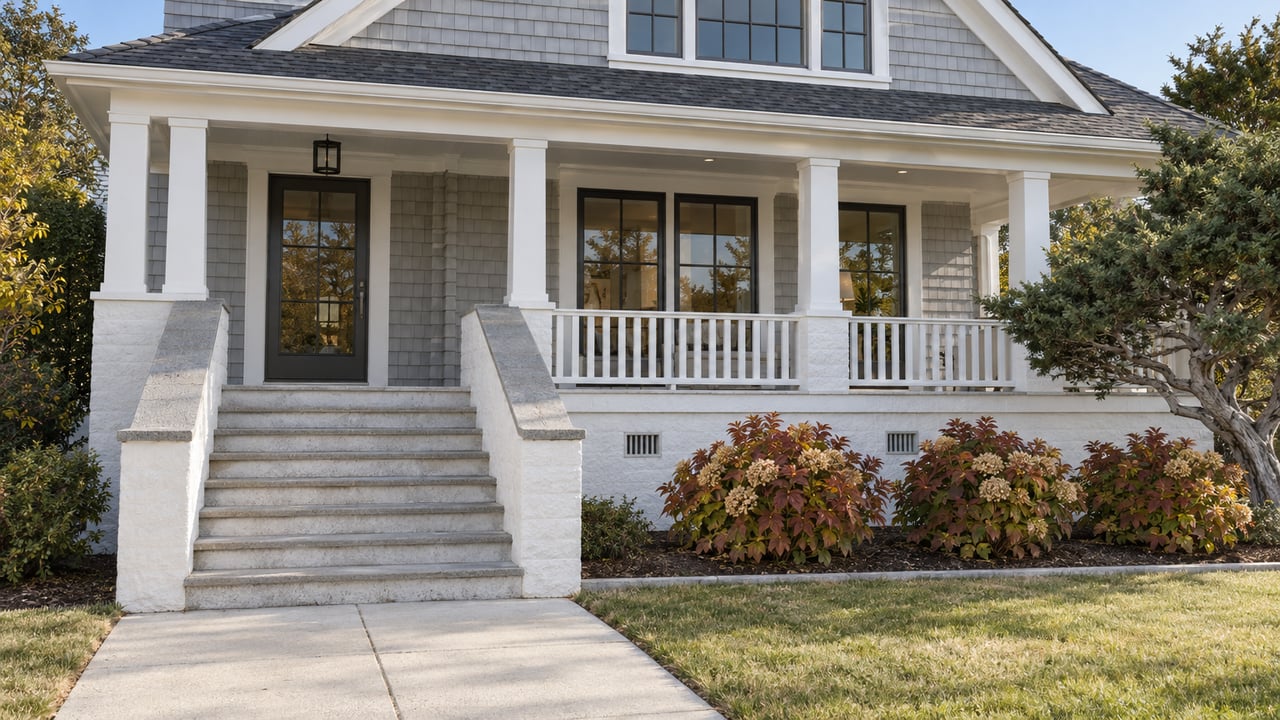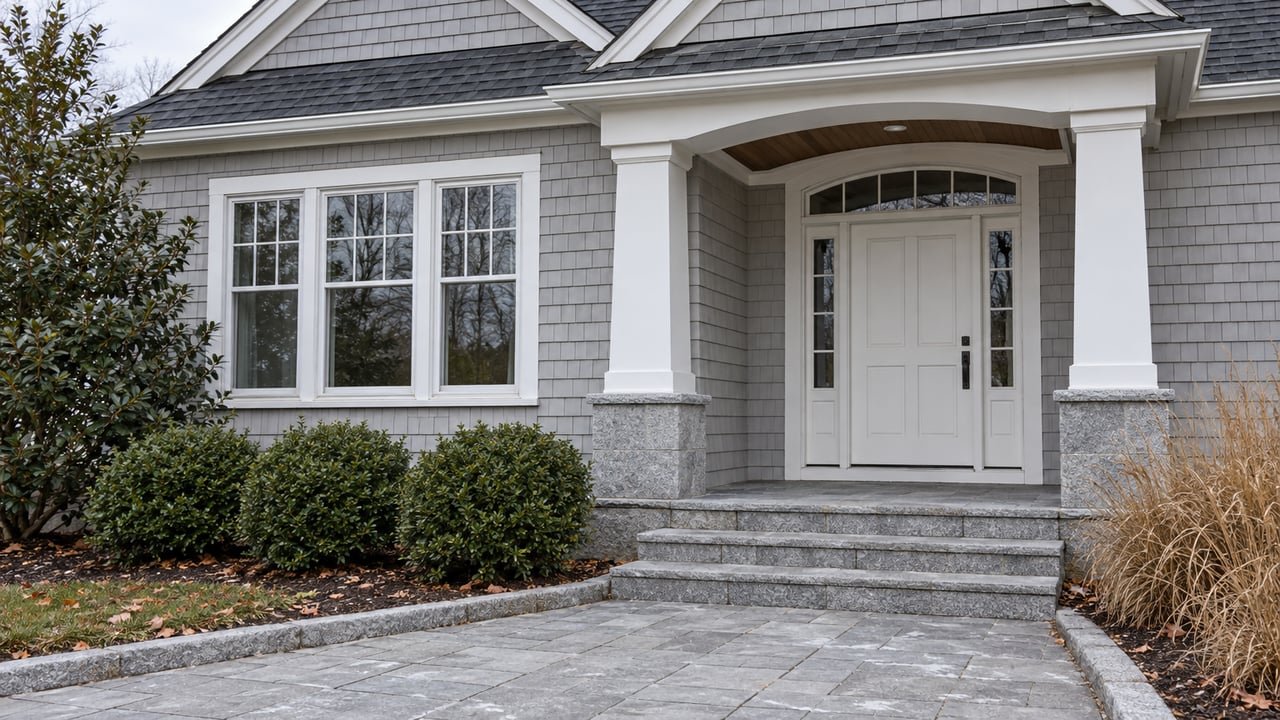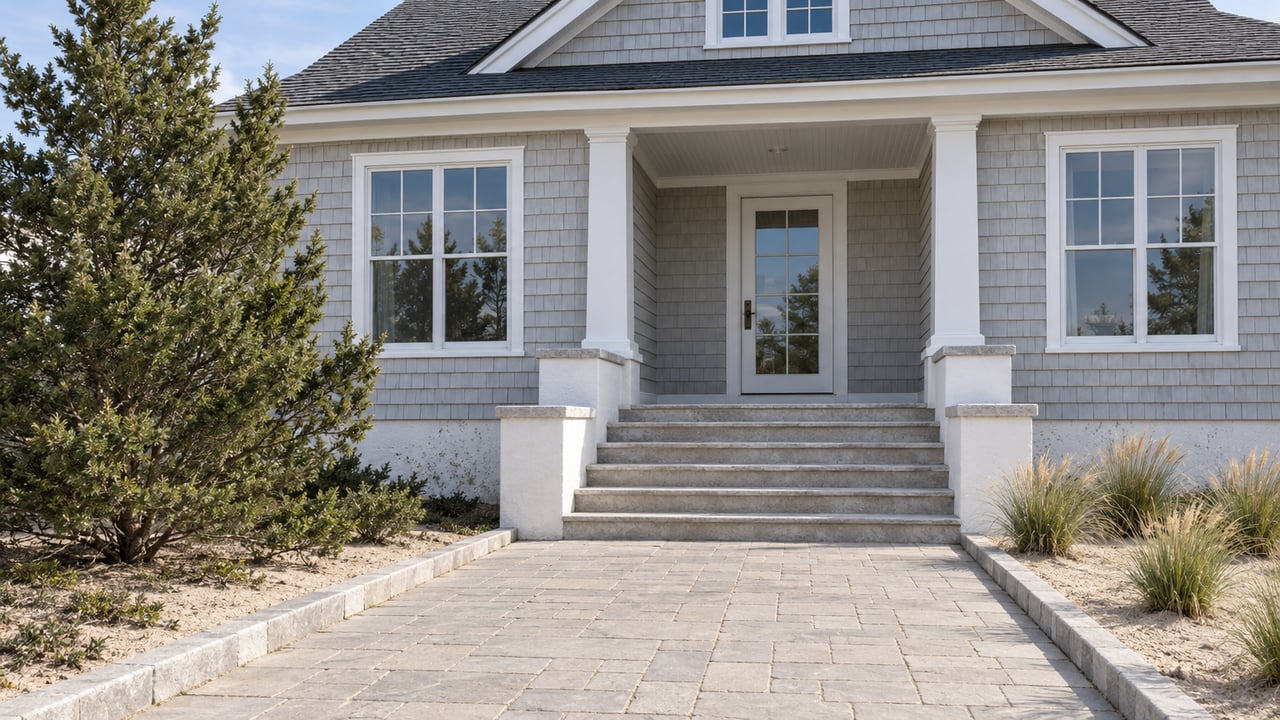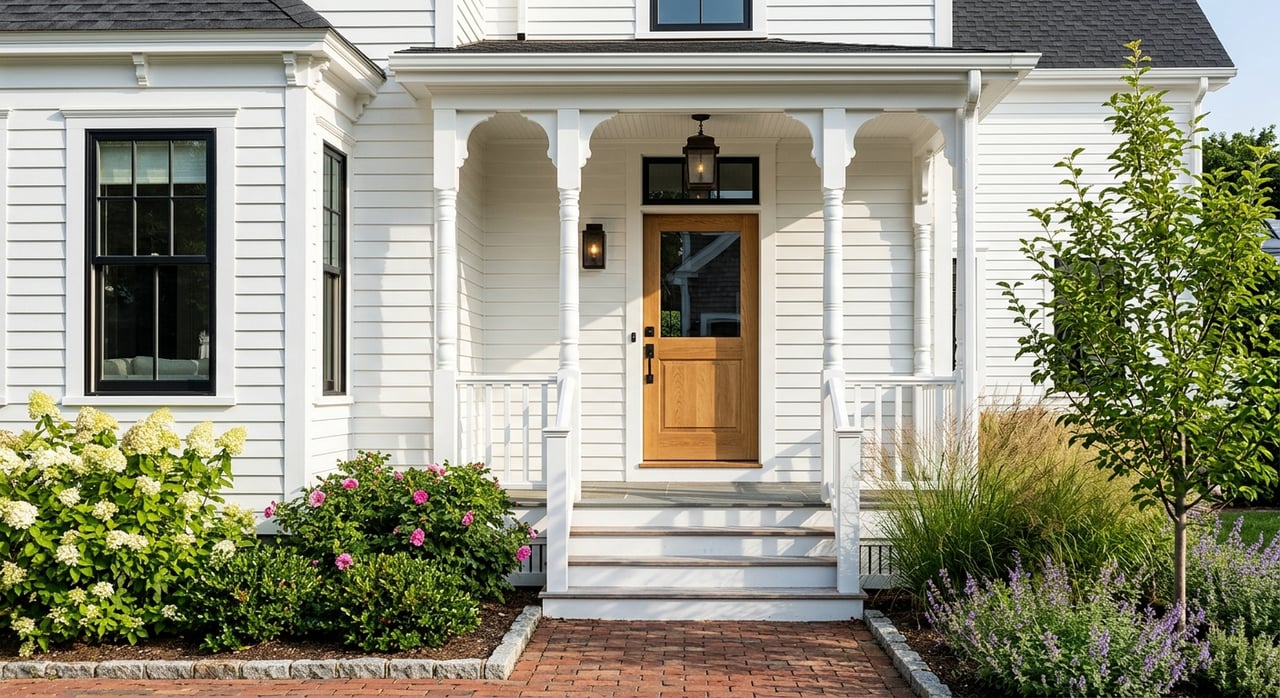
If you are deciding between a historic home and a newer property in Cape May, you are really choosing between two very different ownership experiences. One offers deep architectural character and a highly preserved setting. The other often offers more flexibility and a different path for updates and long-term planning. Understanding that difference can save you time, money, and stress. Let’s dive in.
Why home style matters in Cape May
In Cape May, home style is not just about personal taste. It can affect how you maintain the property, what approvals you may need, and how easily you can make future changes.
That is especially true because Cape May includes distinct areas with different rules and ownership considerations. Cape May City, West Cape May, and North Cape May may sound similar, but they do not operate the same way when it comes to historic oversight and property planning.
Cape May City means historic identity
Cape May City is the most preservation-focused part of the local market. The city describes itself as the nation’s oldest seashore resort, and it is recognized as the Cape May Historic District and a National Historic Landmark because of its concentration of Victorian buildings.
The city also says it has more than 600 Victorian-era structures still in use. That historic setting is a major part of Cape May’s identity, along with its long tourism season built around lodging, dining, shopping, and cultural activity.
For you as a buyer, that means a historic home in Cape May City is often as much a lifestyle choice as a real estate decision. You are buying into a preserved streetscape, a recognizable architectural story, and a property that may come with more visible care requirements.
West Cape May has its own rules
West Cape May sits next to Cape May City, but it has a different ownership environment. The West Cape May Historic District is described by the New Jersey Historic Trust as a well-preserved collection of late 19th- and early 20th-century buildings, mostly residential in character.
The district reflects the borough’s transition from a rural farming community to a seaside resort area. It is part of the borough’s zoning map and is also included in the broader Cape May Historic District listed on the state and national registers.
That matters because a home in West Cape May may still come with preservation review, even though the local process is not the same as Cape May City’s. If you are comparing two historic-looking homes across municipal lines, the review path may be different.
North Cape May offers a different ownership profile
North Cape May is part of Lower Township, not Cape May City. Lower Township identifies North Cape May as one of its communities and notes that it has the largest year-round population in Cape May County.
For many buyers, North Cape May feels different because it is not under Cape May City’s Historic Preservation Commission process. That can make the renovation workflow more straightforward, though you still need to understand township zoning and coastal property conditions.
Water exposure is an important part of the conversation there. Lower Township directs owners to flood-mapping tools, flood-insurance lookups, tide-prediction resources, and elevation-based planning tools, so flood status should be part of your early review.
What owning a historic home usually involves
If you love period architecture, porches, trim detail, and the sense of place that comes with an older shore home, a historic property can be a great fit. But it helps to go in with clear expectations.
In Cape May City, the Historic Preservation Commission must review and approve exterior work before it begins in the Historic District. The city says demolitions, relocations, additions, new houses, and solar panels require a full commission hearing, and the commission’s decisions are binding and enforceable.
That means visible exterior changes are not simply design choices. They are part of the property’s regulatory profile, and they can affect your project timeline, material selections, and planning costs.
Exterior details matter more
Cape May’s design standards cover roofs, exterior cladding, windows, porches, entrances, doors, streetscape elements, mechanical and utility equipment, flood mitigation, additions, new construction, relocation, and demolition. In practical terms, the outside of the home carries more rules than many buyers expect.
If you are picturing quick updates to windows, siding, roofing, or exterior features, you will want to confirm what is allowed before you buy. In a historic district, those updates may require compatibility with the home’s historic character and surrounding streetscape.
Contributing status can shape your options
Cape May’s standards classify properties as contributing or non-contributing. Contributing properties are those from the district’s period of significance, roughly 1750 to 1948, that still retain historic character.
That classification can influence what work is reviewed and how replacement materials are evaluated. For contributing homes, the city’s application instructions say replacement windows should match existing opening sizes, divided-lite patterns, and trim, while roofing and siding work may require inspection to determine whether original materials remain.
Maintenance is part of the commitment
Historic ownership also tends to require closer attention to upkeep. Cape May’s neglect provisions identify issues such as deteriorated roofs, chimneys, mortar, waterproofing, broken windows or doors, peeling paint, and other visible signs of decay.
For you, that means small exterior issues can become bigger problems if they are delayed. A charming historic home can be incredibly rewarding, but it often asks for more ongoing attention than a newer property.
What newer homes can change for you
A newer or more modern home often appeals to buyers who want flexibility. If your priority is easier updates, simpler planning, or less preservation review, this path may feel more practical.
That said, new construction inside historic districts is not a blank slate. Cape May requires new construction to be compatible with existing districts and surrounding areas, and West Cape May also emphasizes streetscape compatibility in its review process.
So if you build or substantially change a home in one of those historic settings, the final result still needs to fit the context around it. New does not mean unrestricted.
North Cape May may offer more freedom
In North Cape May, buyers generally face fewer historic-preservation layers than they would in Cape May City or West Cape May. Because it is part of Lower Township, the approval process is typically different from the city historic-district workflow.
That can be attractive if you want to update layout, systems, or finishes with fewer preservation-specific hurdles. Still, the tradeoff is that flood-zone status, elevation details, and water-risk planning may play a larger role in your decision.
How to decide which style fits you
The right choice usually comes down to how you want to live, how much flexibility you want, and how comfortable you are with ongoing property oversight. Neither option is universally better. The better fit is the one that matches your goals.
If you are drawn to Cape May’s architectural identity and want to be part of a nationally recognized historic resort setting, a historic home may be the stronger match. If you care more about remodeling freedom, simpler approvals, or a property you can adapt more easily over time, a newer home may make more sense.
Historic homes may suit you if you want:
- Distinctive Victorian or period character
- A preserved streetscape and strong sense of place
- A home tied closely to Cape May’s local identity
- Long-term pride in stewarding an older property
Newer homes may suit you if you want:
- More flexibility for updates and layout changes
- Fewer preservation-related approvals
- A simpler renovation path
- Greater focus on systems, condition, and lot utility
What matters for resale
Resale value is not driven by the same factors in every part of the Cape May market. In Cape May City, the appeal of a historic home is closely connected to the city’s identity, preservation history, and tourism-based brand.
That gives historic properties a strong niche appeal for buyers who want authentic architectural character. A well-maintained home that respects the historic setting can stand out for exactly those reasons.
In areas like North Cape May, resale may depend more on practical factors such as condition, updated systems, lot usefulness, and flood or elevation profile. The home’s ownership experience is simply shaped by a different local framework.
Smart questions to ask before you buy
Before you commit to either style, it helps to ask a few direct questions early. The answers can clarify whether a home fits your vision or could create friction later.
Ask about the property’s historic status, the approval process for visible exterior work, and whether any past renovations were subject to local review. If you are looking in North Cape May, ask for flood-zone status and any available elevation information as part of your early due diligence.
A useful rule of thumb is simple. The more visible and historically significant the house, the more time you should expect to spend on approvals, documentation, and specialized exterior work.
Choosing between historic and modern in Cape May is about more than style. It is about how you want to own, maintain, improve, and enjoy your property over time. With the right guidance, you can match the home to your lifestyle and make a decision that feels good now and years from now.
If you are weighing character, flexibility, renovation potential, or long-term value in Cape May, Dorothy Phillips can help you evaluate the options with clear local insight and a polished, hands-on approach.
FAQs
What does a historic home in Cape May City usually require from a buyer?
- A historic home in Cape May City often requires more attention to exterior upkeep and may require Historic Preservation Commission approval before visible exterior work begins.
What is a contributing property in Cape May?
- A contributing property is one that dates to the district’s period of significance, roughly 1750 to 1948, and still retains historic character under Cape May’s design standards.
Do exterior changes in West Cape May need approval?
- Yes. In West Cape May, a Certificate of Appropriateness is required before permits or work can begin for demolition, exterior appearance changes, relocations, additions, and new construction covered by the borough’s rules.
Why do North Cape May buyers need to check flood status early?
- North Cape May is part of Lower Township, which directs owners to flood maps, flood-insurance lookups, tide-prediction tools, and elevation-based planning resources, making water exposure an important part of the buying process.
Is new construction in Cape May’s historic areas unrestricted?
- No. In Cape May City and West Cape May, new construction is still reviewed for compatibility with the surrounding district and streetscape.
How should you choose between a historic and newer Cape May home?
- Start with your priorities. If you value preserved character and architectural identity, a historic home may fit best. If you want easier updates and a simpler renovation path, a newer home may be the better choice.